
Stepping Into the Digital Era: What It Means for Malaysian Small Businesses — and Why On-Premise Systems Are Holding You Back
Malaysia is moving fast into the digital era — and so should your business. From cashless payments to e-commerce, cloud accounting to digital tax systems, the way we do business is changing rapidly. For small and medium-sized enterprises (SMEs), this digital shift is not just a trend — it’s a powerful opportunity to become more efficient, stay compliant, and grow.
But there’s a big obstacle holding many Malaysian businesses back: outdated, on-premise systems.
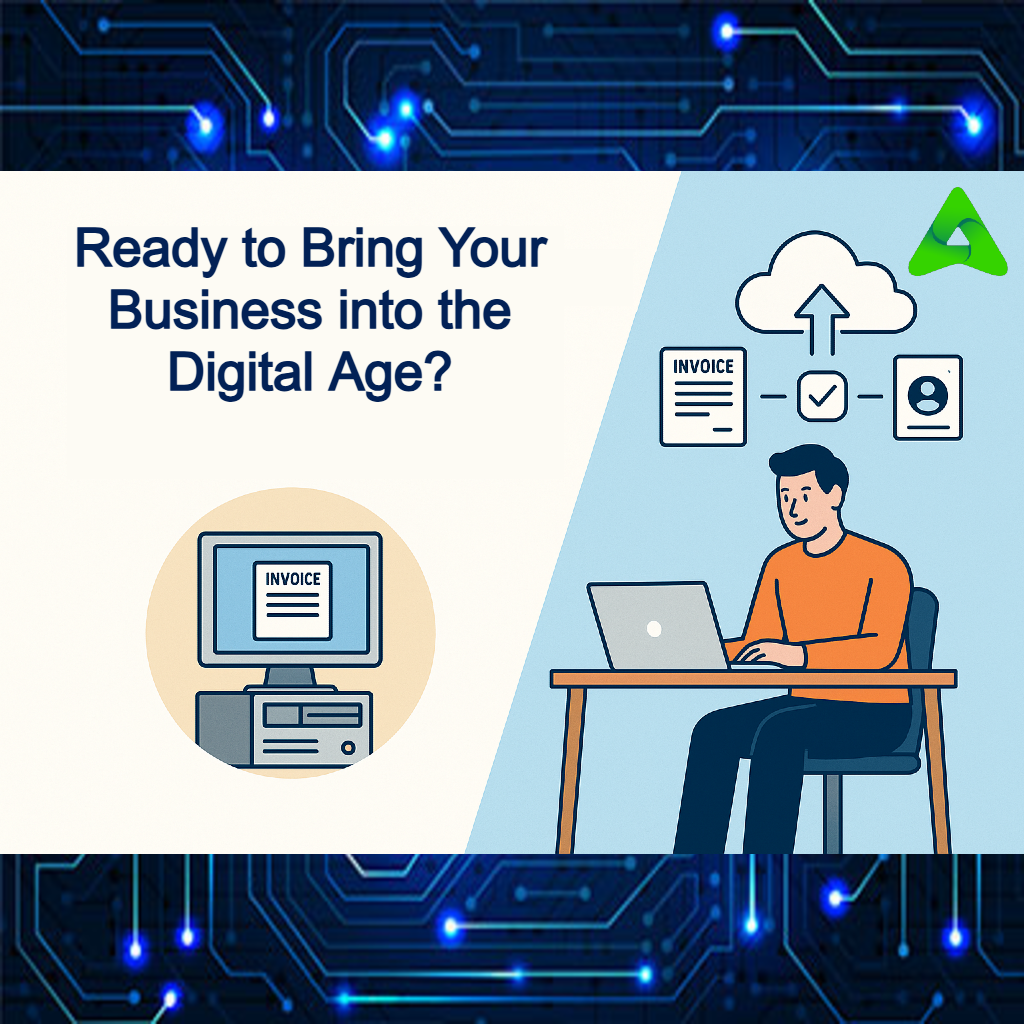
What Is the Digital Era?
The digital era is a time when businesses use online platforms, cloud-based tools, and automation to manage day-to-day operations. Instead of being tied to a desktop in the office, business owners and their teams can work anytime, from anywhere, with real-time access to their data.
For example:
- Sales teams can issue invoices from a tablet at a customer’s office.
- Payroll can be processed and paid out in just a few clicks.
- Reports and dashboards can be viewed in real-time to support quick decision-making.
Why This Matters in Malaysia Now
The Malaysian government is pushing for greater digital adoption through initiatives like:
- MyDigital and the Malaysia Digital Economy Blueprint
- LHDN’s e-Invoicing mandate, which will soon be compulsory for all businesses
Under LHDN’s e-Invoicing Phase 3, more small businesses will need to issue, validate, and transmit invoices electronically through the MyInvois portal starting July 2025. This is not just a tax issue — it’s a digital transformation move.
Cloud systems are already integrated with MyInvois or are ready for integration. On-premise systems? Not so much.
Why On-Premise Software Is a Problem
On-premise software — the kind installed on office computers or servers — used to be the norm. But in today’s environment, it creates more problems than it solves:
- No Remote Access
Your accounting or payroll only works in the office. Forget working from home or approving invoices while travelling. - Slow or Manual Updates
When LHDN changes e-Invoicing requirements, cloud systems can be updated almost instantly. On-premise systems require manual patches or expensive upgrades. - Poor Integration
Need to connect your accounting system to MyInvois? On-premise systems often need third-party middleware, causing delays, errors, and extra costs. - Maintenance Burden
You need to handle backups, antivirus, server space, and support. If something goes wrong, it’s your problem to fix.
Real Examples: Streamlining with Cloud vs. On-Premise
Process | On-Premise Solutions | Cloud-Based Solutions |
|---|---|---|
e-Invoicing | Middleware needed to connect to the MyInvois portal. Manual syncing. | Integrated directly with MyInvois. Instant submission and validation. |
Payslips & EA Forms | Generate in-office, manually print and email. Risk of data loss if PC fails. | Process online. Staff receive payslips and EA forms via portal and on their mobile devices. Data backed up in cloud. |
GST/SST & Reports | Generate reports manually. No dashboard view. | Real-time reports, dashboards, and tax summaries anytime. |
Data Sharing | USB drives or exported Excel files. | Share reports instantly with your accountant or auditor through secure cloud access. |
Approvals & Sign-offs | Need to wait until boss is in the office. | Approve leave, payments, or invoices from a phone, tablet, or laptop. |
Final Thoughts
Malaysian small businesses are at a turning point. The government is going digital — and your business needs to keep up.
Moving to cloud-based solutions helps you:
- Comply with e-Invoicing requirements quickly and efficiently
- Cut down manual work and reduce errors
- Make faster decisions based on real-time data
- Save money on maintenance, hardware, and IT support
- Scale and grow your business with greater flexibility
The digital era is here — don’t let on-premise systems hold your business back.
If you’re still using on-premise accounting or payroll software, now is the time to explore cloud solutions built for Malaysian SMEs, fully ready for LHDN’s e-Invoicing rollout.