
Why outsource payroll?
Payroll involves time consuming tasks that will need to be repeated every month.
It is a non revenue generating function of your business, but needs to be handled on a timely and efficient way if you are to keep your employees motivated and happy.
For small businesses, managing payroll can be a challenging and time-consuming task.
Ensuring employees are paid accurately while staying compliant with tax regulations requires significant effort.
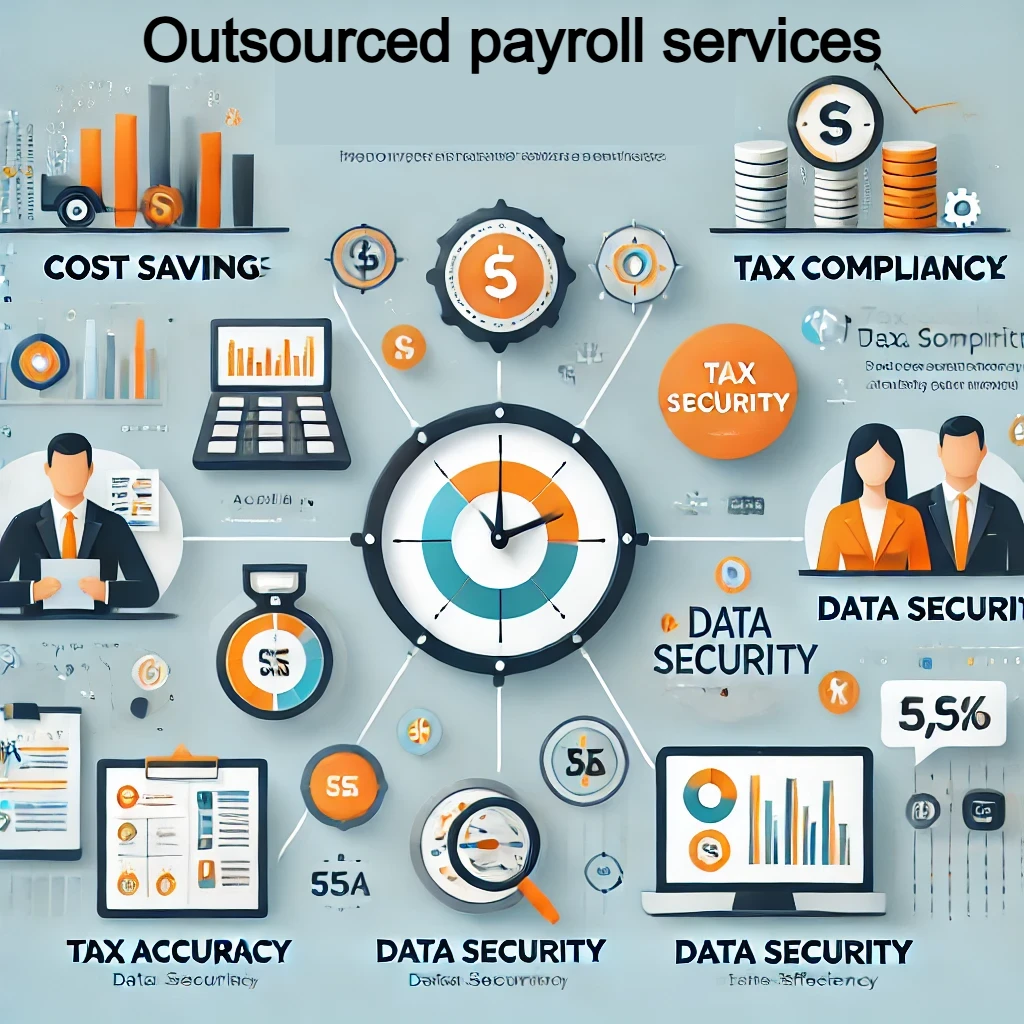
Outsourcing payroll functions provides an efficient and cost-effective solution, allowing small business owners to focus on growing their businesses.
Here are five key benefits:
- Cost Savings
Small businesses often operate with limited budgets, making cost efficiency crucial. Hiring a dedicated payroll specialist or investing in payroll software can be expensive. Outsourcing allows small businesses to save on salaries, training, software, and compliance costs while ensuring payroll is handled professionally. - Compliance with Tax and Labor Laws
Payroll regulations, tax rates, and labor laws are constantly changing. Mistakes in tax filings or employee benefits can lead to fines and legal issues. Payroll service providers stay updated on compliance requirements, ensuring small businesses meet all legal obligations without the stress of managing it themselves. - Accuracy and Error Reduction
Payroll errors can lead to unhappy employees and potential financial penalties. Professional payroll providers use advanced systems and automation to ensure accurate calculations, correct tax deductions, and on-time salary payments. This reduces the risk of costly mistakes. - Enhanced Security and Data Protection
Payroll processing involves handling sensitive employee information, such as salaries, tax details, and personal data. Outsourcing payroll to a reputable provider ensures that security measures, such as encryption and fraud detection, are in place to protect confidential information. - More Time to Focus on Business Growth
For small business owners, every hour counts. Managing payroll internally takes time away from crucial business activities such as sales, customer service, and strategic planning. Outsourcing payroll allows business owners to focus on growth while payroll professionals handle administrative tasks efficiently.
Conclusion
Outsourcing payroll functions is a game-changer for small businesses, offering cost savings, compliance assurance, error reduction, enhanced security, and more time for business growth. By partnering with a reliable payroll provider, small business owners can streamline operations and gain peace of mind, knowing their payroll is in expert hands.
