Maximize Profit: High-Margin Inventory vs. Sales Velocity
In the world of retail and e-commerce, it’s easy to get blinded by volume. We celebrate the “bestsellers”, those items that fly off the shelves every hour. But if those bestsellers are barely covering their own shipping and storage costs, are they actually helping your business grow?
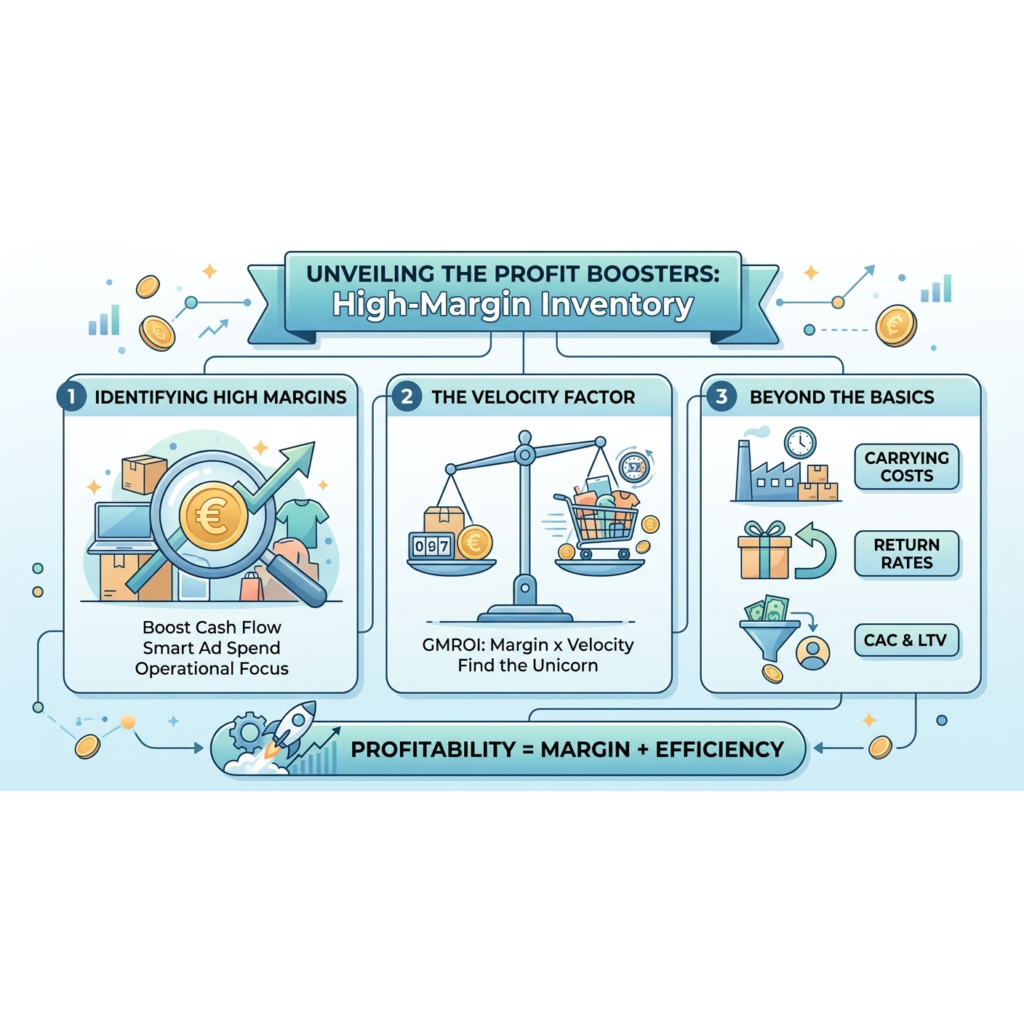
To build a sustainable brand, you have to look past the noise of high-volume sales and focus on margin. Identifying which items contribute the highest margins isn’t just an accounting exercise; it’s the blueprint for your profitability.
Why High-Margin Identification is Non-Negotiable
If you don’t know where your profit is actually coming from, you’re essentially steering a ship without a compass. Here is why prioritizing high-margin items changes the game:
- Marketing Efficiency: Why spend $10 in ads to sell a product that nets you $5? Identifying high-margin items allows you to reallocate your ad spend toward products that offer a higher Return on Ad Spend (ROAS).
- Operational Focus: High-margin items deserve the “VIP treatment”, better photography, prime placement on your website, and more frequent quality checks.
- Cash Flow Health: High-margin products replenish your cash reserves faster, giving you the capital to reinvest in new product lines or scale your operations.
The Big Question: Does Sales Frequency Matter?
Absolutely. Looking at margin in a vacuum is a dangerous trap.
Think of it this way: You might have a luxury watch with a 70% margin, but you only sell one every six months. Meanwhile, you have a leather strap with a 30% margin that sells 500 units a week.
To find your true “Hero Products,” you need to look at the intersection of margin and velocity. This is often analyzed using the GMROI (Gross Margin Return on Investment) formula:
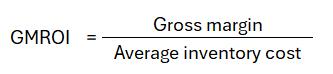
The Verdict: A high-margin item with low frequency is a “niche” product. A medium-margin item with high frequency is a “volume” product. The goal is to find (or create) the unicorn: the high-margin, high-frequency item.
Other Factors to Consider
Identifying margins and frequency is the baseline, but to master your inventory, you need to account for these three “hidden” factors:
1. Carrying Costs and Storage
A high-margin item that is bulky and sits in a warehouse for a year might actually be “bleeding” profit. If the cost of storage (utilities, insurance, floor space) exceeds the margin gained by waiting for a sale, that item is a liability.
2. Return Rates
Clothing is a classic example. An evening gown might have a massive markup, but if 50% of customers return it due to fit issues, the logistics of processing those returns, refurbishing the item, and potential damage eats that margin alive. Always calculate your Net Margin after returns.
3. Customer Acquisition Cost (CAC) by Product
Some items are “Loss Leaders.” You might sell a high-frequency, low-margin item just to get a customer in the door, knowing they will eventually buy your high-margin accessories. You must understand the Lifetime Value (LTV) associated with specific inventory items to see the full picture.
The Bottom Line
Profitability isn’t about how much you sell; it’s about how much you keep. By auditing your inventory to find the highest margin contributors, while balancing them against sales velocity and operational costs, you stop “working for your inventory” and start making your inventory work for you.
Ready to unlock the true profit potential of your inventory?
Don’t let hidden costs or low-margin “bestsellers” hold your business back. Start analyzing your products today.