The Accounting Software Trap: Popular Doesn’t Mean Modern
Choosing an Accounting Solution: Why Familiar Platforms Aren’t Always the Right Choice
When organisations look for an accounting solution, the selection process often begins with familiar brands and pricing. Well‑known platforms feel safer. They’ve been around for years, are widely used, and appear to offer stability.
But familiarity can be misleading.
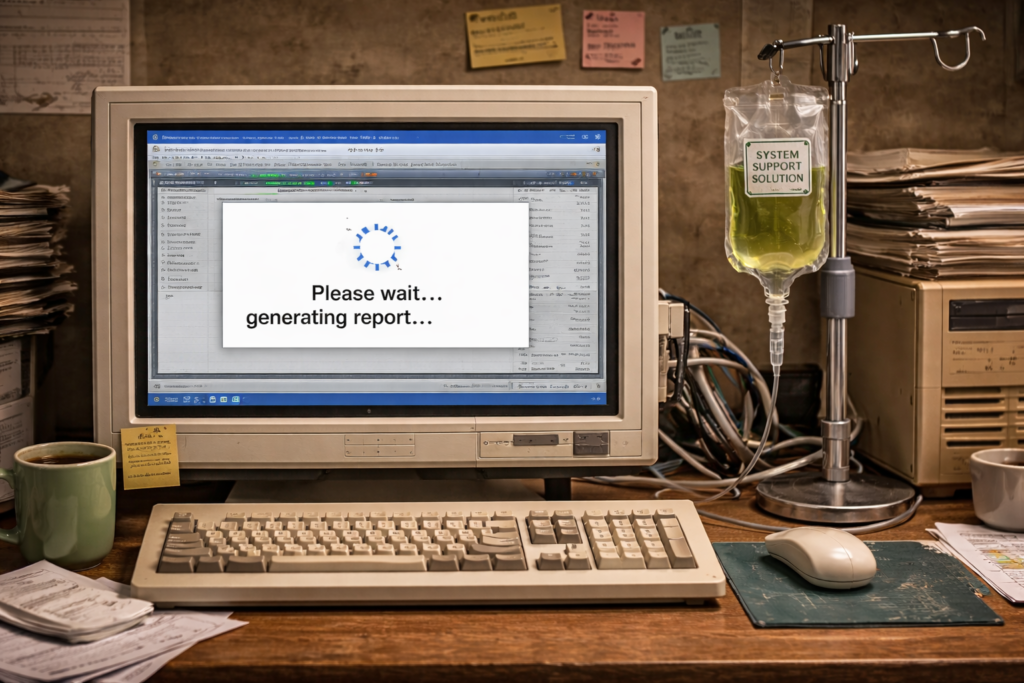
What many users don’t realise is, that some of the most recognisable accounting solutions on the market today were built on technology that is now outdated or obsolete. While these systems may still function—and may even look modern—their underlying foundations were designed for a very different technological and business environment.
When Longevity Becomes a Liability
Long‑standing software platforms weren’t necessarily designed to last decades in today’s form.
Many accounting systems were created long before:
- Real‑time reporting was expected
- Automation was standard
- Seamless integrations were critical
- Finance teams were expected to deliver insight, not just compliance
Instead of being rebuilt as technology evolved, many of these platforms were patched, extended, and adapted over time. While this keeps them operational, it often leaves the core technology struggling to support modern demands.
This is where problems start to surface.
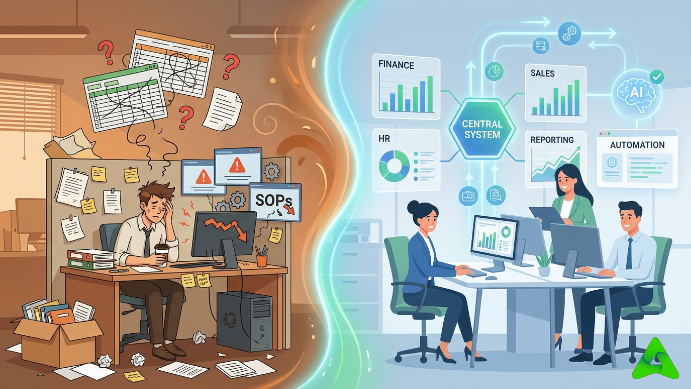
The Modern Look, Legacy Core Problem
Some platforms attempt to stay competitive by adding:
- New user interfaces
- Cloud‑hosted versions
- Additional modules
However, these improvements often sit on top of an aging core, rather than replacing it. As a result:
- Automation may be limited
- Integrations require workarounds
- Performance degrades as data grows
- Simple changes become unexpectedly complex
This disconnect between appearance and capability is a common symptom of technical debt.
Technical Debt Explained: Why Old Software Slows Modern Businesses
Pricing Can Distract from the Real Risk
Pricing is frequently used as a primary comparison point when selecting accounting software. Some solutions feel cheaper or safer because:
- The licensing model is familiar
- Costs appear predictable
- Change feels unnecessary
But pricing alone does not reflect the cost of operating on obsolete technology.
As systems reach their technical limits, costs tend to surface elsewhere:
- Manual processes replacing automation
- Dependence on specialists who understand the old platform
- Expensive enhancements for basic functionality
- Increased operational and compliance risk
At that stage, the issue is no longer licence cost, it’s business efficiency and resilience.
The Questions That Matter More Than Brand
A better approach is to look past marketing and ask:
- How old is the platform’s core technology?
- Has it been fundamentally rebuilt, or repeatedly patched?
- How much functionality is native versus bolted on?
- How easily can the system adapt as the business changes?
These questions are far more telling than brand recognition alone.
Final Thought
Well‑known accounting systems often feel like the safest choice. But systems built on outdated technology eventually limit innovation, increase risk, and hold businesses back, no matter how trusted the name.
Choosing an accounting solution today isn’t about familiarity. It’s about whether the underlying technology can support how businesses operate now, and how they will operate next.
Not All Established Solutions Are the Same
It’s important to be clear: age alone does not make an accounting solution bad or obsolete.
Some long‑standing platforms have made the difficult, but necessary, decision to rebuild or fundamentally modernise their underlying technology. These solutions have replaced outdated architectures with modern ones, enabling them to support automation, scalability, integrations, and continuous evolution.
The concerns outlined in this article apply specifically to accounting software that did not upgrade its underlying technology, and instead continued to extend or patch legacy foundations. In these cases, cosmetic improvements, such as updated interfaces or added functionality, cannot fully overcome the constraints of an obsolete core.
The key distinction lies beneath the surface:
- Has the platform been re‑engineered for modern requirements?
- Or is it still reliant on architectural decisions made decades ago?
Understanding that difference is critical. Two solutions may appear similar on paper, but their long‑term viability, flexibility, and ability to support growth can be fundamentally different depending on the underlying technology.
Experience Across Every Era of Accounting Technology
One advantage often overlooked when choosing an accounting solution is the guidance of those who have seen multiple technology cycles come and go.
We’ve been around since the early days of accounting software, starting with DOS‑based systems, progressing through Windows‑based applications, and now working extensively with modern, cloud‑based platforms. Over that time, we’ve seen solutions rise, dominate the market, struggle to evolve, and eventually fall away as technology moved on.
This long view matters.
Because having worked across every major shift in accounting technology, we understand not just how today’s systems work, but why they behave the way they do. We can recognise when a solution is genuinely modern, and when it’s a legacy platform dressed in newer clothing.
That depth of understanding allows us to:
- See beyond surface features and marketing claims
- Understand the architectural strengths and limitations of most platforms
- Identify signs of outdated or obsolete technology early
- Assess whether a system can realistically evolve over time
As a result, we’re able to point customers toward solutions that don’t just meet current requirements, but are built on technology capable of growing alongside the business, supporting increased complexity, scale, automation, and integration without constant workarounds.
In a landscape crowded with familiar names and long‑standing products, experience across generations of technology provides clarity. It helps ensure that today’s choice doesn’t become tomorrow’s constraint.
Choosing accounting software shouldn’t be a leap of faith.
If you’re evaluating new solutions or questioning whether your existing system can keep up, let’s have a conversation. We’ll help you cut through the noise and identify technology that supports both your current needs and long‑term growth.