“Aiyah! Another New Version?!”
“Aiyah! Another new version ah?”
“Now must uninstall, install again, and upgrade file… lagi susah!”
If this sounds familiar, you’re not alone.

Many Malaysian business owners and finance teams are facing this exact headache, especially now with the e-Invoice mandate rolling out.
Requirements are evolving, formats are changing, and suddenly your accounting software needs another update… again.
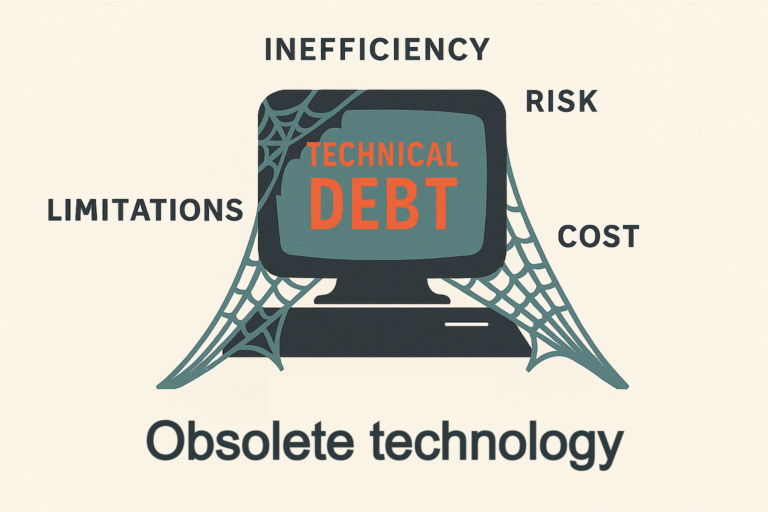
Here’s the reality: this is actually an intrinsic issue with on-premise solutions.
The On-Premise Struggle is Real
With traditional on-premise accounting systems, every update comes with a “process”:
- Download the new version
- Uninstall the old one
- Install the new version
- Upgrade or migrate your existing files
- Pray everything works smoothly
If something goes wrong? Call IT… wait… troubleshoot… more delays.
Now add e-Invoice compliance into the mix. Regulations are not static, they’re being refined and updated as implementation progresses. That means:
- More updates
- More patches
- More manual work
For business owners, this isn’t just inconvenient, it disrupts operations. Imagine your finance team stuck updating software instead of issuing invoices or closing accounts. Time wasted = money lost.
Enter Cloud Accounting: No Drama, No Problem
Now compare that with cloud-based accounting solutions.
Updates?
- Done automatically in the background
- No installation required
- No file migration headaches
Most of the time, you don’t even realise anything has changed.
You log in like usual… and everything just works!
Perfect for e-Invoice Compliance
With Malaysia’s e-Invoice rollout, compliance requirements can change, sometimes quickly.
With cloud systems:
- Updates are rolled out centrally
- Compliance features are added seamlessly
- You’re always using the latest version
No need to chase updates or worry about missing a regulatory change.
In short: You stay compliant without lifting a finger
No Tech Skills? No Problem Lah
The reality is, not every SME has an IT department.
And not every business owner wants to deal with:
- Software compatibility issues
- Version conflicts
- Data backup risks
Cloud accounting removes all that stress.
Everything is:
- Accessible from your browser
- Managed by the provider
- Secured and backed up automatically
Even your less tech-savvy staff can use it without panic.
The Surprise Bonus: It’s Actually Cheaper
Some people still think cloud solutions are “more expensive” because of subscriptions.
But if you really break it down:
On-Premise Costs:
- Initial software purchase (for some solutions)
- Ongoing subscription fees for e-Invoice submission/compliance
- Annual maintenance or support fees
- Additional modules or integration costs
- IT support and infrastructure
(Some vendors actually require both, upfront software purchase plus ongoing fees just to stay compliant with e-Invoicing.)
Cloud Accounting:
- Low monthly or annual subscription
- All updates and compliance included
- No hardware or IT setup
- Minimal downtime
End of the day, cloud solutions are often more affordable, predictable, and hassle-free, especially for SMEs navigating e-Invoice requirements.
So… Why Make Life Difficult?
If every update makes you say:
“Aiyah… not again!”
Then maybe it’s time to rethink your accounting setup.
With the e-Invoice mandate pushing businesses toward better compliance and efficiency, this is actually the perfect opportunity to modernise.
Final Thought
Business already got enough challenges, customers, cash flow, operations… why tambah headache with outdated systems?
Cloud accounting gives you:
- Seamless updates
- Built-in compliance
- Lower costs
- Peace of mind
No drama. No uninstall-install cycle. No stress.
Switch smart, work smart.
Because in business, simplicity always wins.
See It for Yourself — Join Our Free Webinar!
Still wondering how it actually works in real life?
We’re hosting free webinars where you can see first-hand how cloud accounting:
- Makes e-Invoicing compliance simple
- Automates your invoicing and reporting
- Streamlines your daily processes (no more manual headaches!)
- Lets you focus on running your business instead of managing software
Reserve your spot here: A simpler, more efficient way to comply with e-Invoicing
Date: 3rd June 2026
Time: 10:30am
No hard sell, no technical jargon, just a practical walkthrough so you can decide for yourself.